Home > Politics > Why Adeleke Defeated APC in Osun, Secure...
Why Adeleke Defeated APC in Osun, Secured Second Term
By AnchorNews | 17 Aug, 2026 07:04:34am | 57
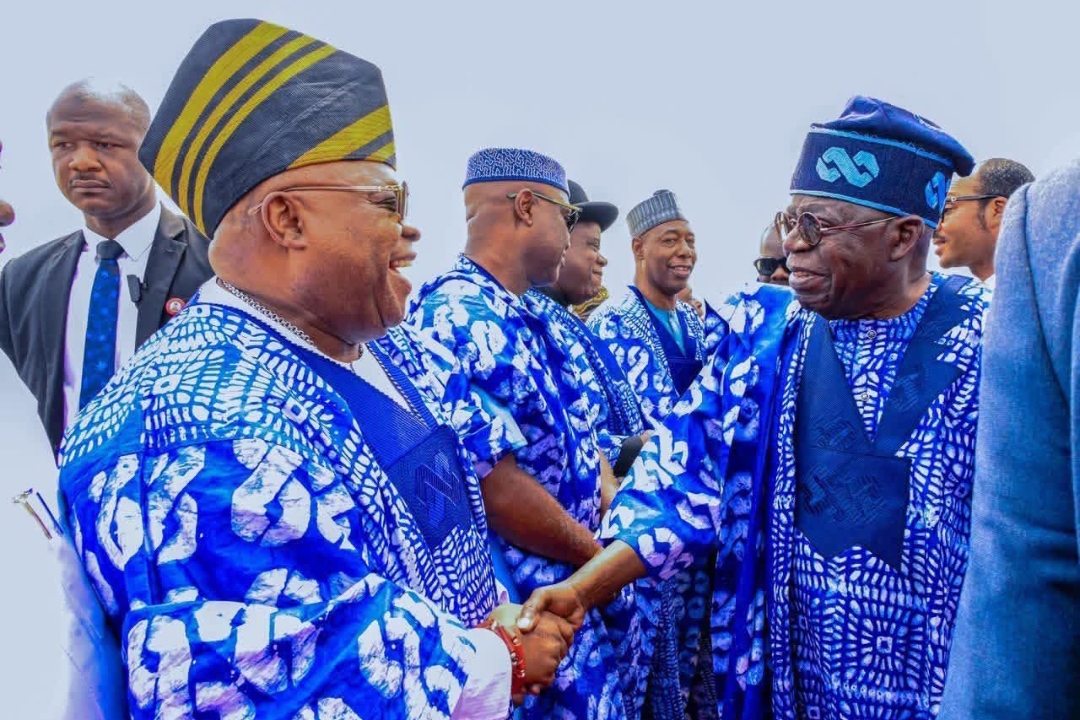
OSOGBO - Governor Ademola Adeleke of Osun State has secured re-election for a second term, defeating the All Progressives Congress (APC) candidate, Bola Oyebamiji, in the August 15 governorship election.
According to results declared by the Independent National Electoral Commission (INEC), Adeleke, who contested on the platform of the Accord Party, polled 511,067 votes, while Oyebamiji recorded 444,815 votes. African Democratic Congress (ADC) candidate, Najeem Salaam, came third with 17,180 votes.
The victory marked Adeleke's second consecutive triumph over the APC in four years. He defeated the then-incumbent Governor Gboyega Oyetola in the 2022 election after narrowly losing to him in the 2018 contest.
Adeleke secured victory in 19 of the state's 30 Local Government Areas, while Oyebamiji won 11. The governor recorded particularly strong performances in Osogbo, Ede North and Ede South, where he secured substantial margins.
The outcome was attributed to several factors, including divisions within the APC, disagreements among its major political blocs and the failure to fully integrate some influential party figures into its campaign structure. Adeleke's regular payment of workers' salaries, infrastructure projects and programmes in education and other sectors were also identified as factors that strengthened his appeal among voters.
The divisions within the APC reportedly persisted from its governorship primary through the election, with different factions operating around separate political structures.
Reacting to his victory, Adeleke dedicated the result to the people of Osun State and described it as a victory for democracy. He urged his opponents to accept the outcome, declaring that there should be “no victor, no vanquished.”
The governor also said his second-term agenda would focus on transforming Osun from a civil-service-dependent state into an industrial hub, with development spread across the state.
The APC, however, said it was studying the results from the state's 332 wards before determining its next course of action. Its Director of Media and Information, Kola Olabisi, said the party would consult its lawyers and explore the constitutional avenues available under the Electoral Act. He also urged party supporters to remain calm.
Oyebamiji and the ADC candidate, Najeem Salaam, had yet to publicly comment on the outcome at the time of the report.
President Bola Tinubu congratulated Adeleke, saying the governor's re-election confirmed the confidence of the people of Osun State in his leadership. He urged Adeleke to unite the people and pursue growth, stability and social and economic progress regardless of their political affiliations.
Former Anambra State governor and presidential candidate Peter Obi also congratulated Adeleke, describing the result as an affirmation of the people's power to choose their leaders.
Oyo State Governor Seyi Makinde similarly described Adeleke's victory as a triumph of democracy, saying the result demonstrated that voters retained the ultimate power to determine electoral outcomes.
Former Cross River State governor Donald Duke described the election as a potential litmus test for the 2027 general elections and urged opposition politicians to overcome their differences and build a broader political alliance.
Meanwhile, the Socio-Economic Rights and Accountability Project (SERAP) called for an investigation into allegations of vote buying, voter intimidation, violence and illegal campaign financing during the election. The organisation urged INEC, EFCC and ICPC to jointly investigate the allegations and trace funds allegedly used to influence voters.
Yiaga Africa, while commending Osun voters for their resilience, also called on INEC to replicate the operational standards demonstrated during the election across the country's 176,000 polling units ahead of the 2027 elections.
With Adeleke set to begin another four-year term, attention will now turn to how his administration consolidates its programmes, delivers on its industrialisation promise and manages political relations following a closely contested election.
Leave a Reply
Your email address will not be published. Required fields are marked *
Category
 Culture & Tourism
.jpeg) Interviews
Interviews Politics
 Education
  Crime & Security
 Opinion
 Religion
  Entertainment
 Technology
 Sports
  Health
 News
News Business & Economy