Home > Politics > Rivers Power Struggle Intensifies as Tin...
Rivers Power Struggle Intensifies as Tinubu Faces High-Stakes Choices
By AnchorNews | 11 Jan, 2026 04:36:22pm | 410
By Sandra Ugwu
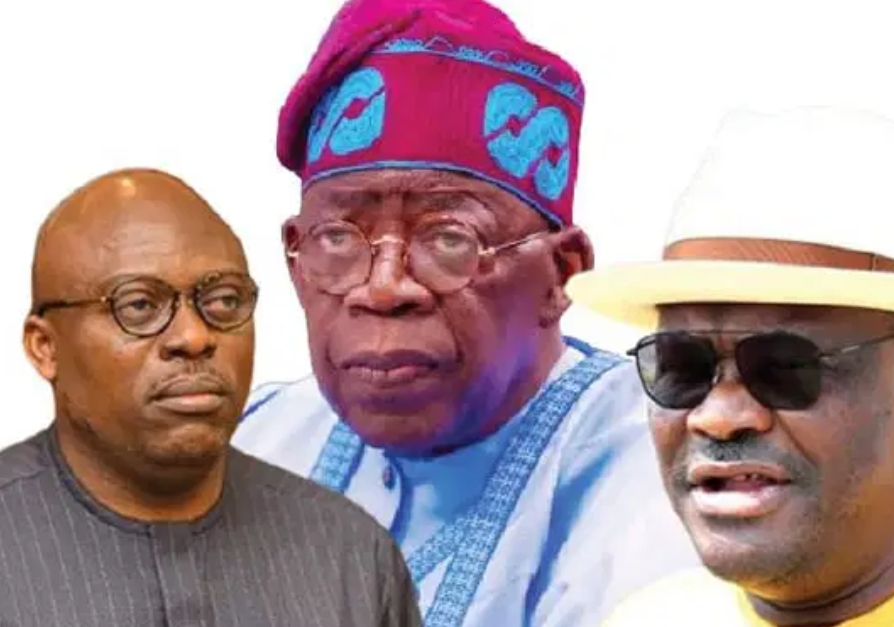
Abuja - The lingering political feud between Rivers State Governor, Sir Siminalayi Fubara, and his predecessor, Nyesom Wike, has once again flared up, throwing the state into renewed political and economic uncertainty and placing President Bola Tinubu under intense pressure to act.
The latest twist in the crisis follows the commencement of impeachment proceedings against Governor Fubara and his deputy, Prof. Ngozi Odu, by members of the Rivers State House of Assembly aligned with Wike. The move has effectively stalled governance in the oil-producing state and revived fears of prolonged instability.
The conflict mirrors a recurring political pattern in Rivers State: a former governor installs a successor, only for relations to collapse when the successor asserts independence. Wike, now Minister of the Federal Capital Territory, had supported Fubara’s emergence as governor in 2023, but expectations of continued influence reportedly gave way to friction when Fubara began charting his own course.
By late 2023, the disagreement had escalated into an institutional crisis, splitting the House of Assembly, triggering the burning of the legislative complex, and turning impeachment threats into a routine political weapon.
President Tinubu stepped in during 2025 by declaring a six-month state of emergency, temporarily suspending elected officials and appointing a sole administrator. Although the intervention briefly restored stability, tensions resurfaced after Fubara defected to the All Progressives Congress (APC), converting what had been an internal PDP dispute into a politically sensitive issue for the ruling party at the national level.
The immediate cause of the renewed standoff is a budgetary dispute. Pro-Wike lawmakers sought to pass a supplementary appropriation bill to amend the N1.48 trillion 2025 budget approved during the emergency period. Governor Fubara rejected the proposal and further declined to submit the 2026 budget, accusing the legislature of pursuing partisan interests rather than governance.
Citing gross misconduct, the Assembly responded by initiating impeachment proceedings against the governor and his deputy. Wike, on his part, openly declared a new political battle, promising to block Fubara’s re-election bid and hinting at revelations concerning their previous political arrangements.
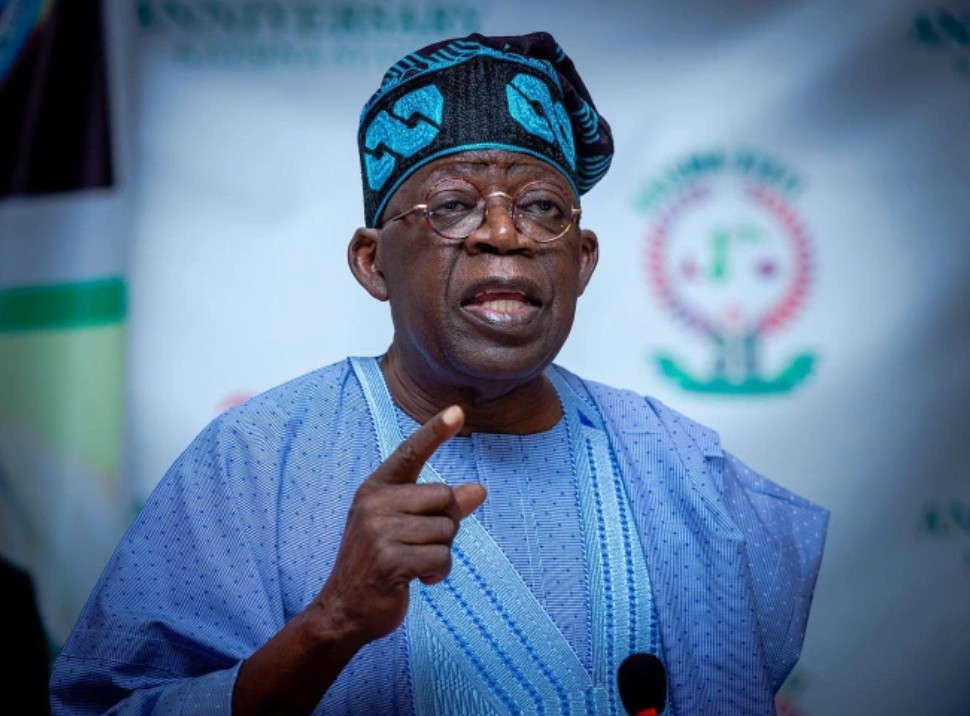
As the crisis deepens, attention has shifted to Abuja, where President Tinubu must navigate a complex political terrain. Wike remains a key ally who played a significant role in securing Rivers State for Tinubu during the 2023 presidential election, while Fubara, now an APC governor, represents an important political asset ahead of the 2027 general elections. Analysts warn that any option Tinubu chooses—whether mediation, enforcing party discipline, allowing the courts to decide, or direct intervention—comes with serious political risks.
Meanwhile, the fallout is being felt most by ordinary citizens. Government activities have slowed, contracts are stalled, payments delayed, and civil servants and businesses face growing uncertainty as political tensions persist.
Political commentators have expressed concern over the impact of the crisis. Former IPAC National Chairman, Peter Ameh, urged political leaders to put public interest above personal rivalries, while political strategist Baba Yusuf described the impeachment effort as a deliberate attempt to remove Fubara from office. Rivers Liberation Movement convener, Dr. Leloonu Nwabubasa, accused Wike of undermining governance in the state through sustained political pressure.
With the 2027 elections on the horizon, the Rivers crisis appears far from resolution. While political actors battle for control, residents continue to endure the cost of delayed development, halted projects, and an uncertain future.
Leave a Reply
Your email address will not be published. Required fields are marked *
Category
 Culture & Tourism
 Sports
  Politics
.jpeg) Interviews
Interviews News
News Religion
  Business & Economy
 Health
 Education
  Technology
 Opinion
 Crime & Security
 Entertainment