Home > Business & Economy > Fuel Price Hike: How Oil Marketers Short...
Fuel Price Hike: How Oil Marketers Short-Changed Nigerians
By Chimdiogo | 29 Jan, 2026 08:46:59am | 98
By Chimdiogo Amuh
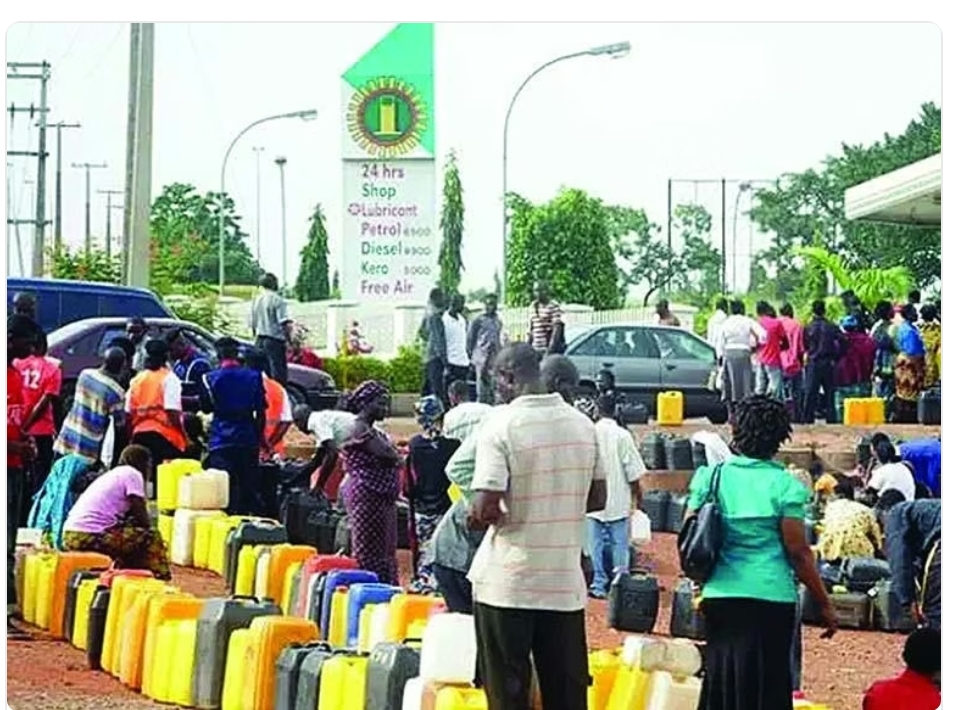
Nigerians are grappling with another round of sharp increases in petrol prices, as oil marketers raised pump prices far beyond the actual rise in crude oil prices on the international market.
On Tuesday, filling stations across the country increased the average pump price of petrol from about ₦750 per litre to ₦850 per litre. Marketers attributed the adjustment to a rise in global crude oil prices, which moved from an average of $64 per barrel to $68 per barrel on Monday.
However, available figures show a clear disparity. While crude oil prices rose by 6.2 per cent, petrol prices at the retail level jumped by as much as 14.3 per cent. This suggests that local oil companies passed on more than double the increase in their primary input cost to consumers.
The spike in crude prices triggered a 14.3 per cent increase in the gantry price of petrol from the Dangote Refinery, which rose from ₦699 per litre to ₦799 per litre. Following this adjustment, petrol stations in Abuja, Lagos and other parts of the country reviewed their pump prices upwards.
NNPC Retail outlets increased their pump price from ₦815 per litre to ₦835 per litre, while several independent marketers implemented steeper hikes. AYM Shafa, for example, raised its pump price from ₦815 per litre to ₦900 per litre.
Commenting on the development, the National Public Relations Officer of the Independent Marketers Association of Nigeria (IPMAN), Chief Chinedu Ukadike, said the increase was driven by higher crude oil prices and rising ex-depot costs.
According to him, once refiners adjust their prices, marketers are compelled to follow suit to remain in business. He added that even when marketers still have old stock, pricing is influenced by the cost of replacing products at higher rates, noting that the margins and buying costs have significantly increased.
Despite these explanations, the sharp difference between the rise in crude oil prices and the increase in pump prices has intensified public concern over pricing practices in Nigeria’s downstream oil sector

Leave a Reply
Your email address will not be published. Required fields are marked *
Category
 Education
  Opinion
 Sports
  Health
 Culture & Tourism
 Politics
 Crime & Security
 Religion
  Entertainment
 News
News.jpeg) Interviews
Interviews Technology
 Business & Economy