Home > News > Senate Reverses Controversial Rules as O...
Senate Reverses Controversial Rules as Oshiomhole Demands Akpabio’s Resignation
By Admin | 08 May, 2026 06:16:41am | 128
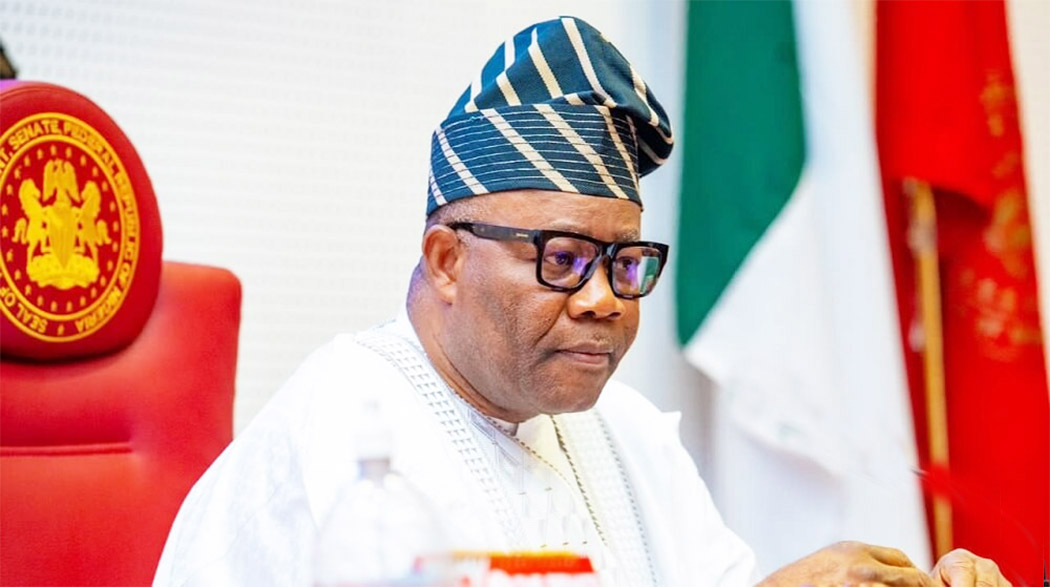
The Senate on Thursday rescinded controversial amendments to its Standing Orders 2026 following concerns that some of the provisions were inconsistent with the 1999 Constitution, with former Edo State governor, Senator Adams Oshiomhole, using the opportunity to call for the resignation of Senate President Godswill Akpabio.
The reversal came barely days after the upper chamber amended portions of its rules regulating the emergence of presiding and principal officers, a development that had triggered controversy among lawmakers and political stakeholders ahead of the 2027 elections.
Leading debate on the motion during plenary, Senate Leader Opeyemi Bamidele said further legislative and constitutional review showed that aspects of the amendments conflicted with Section 52 of the Constitution.
He explained that the Senate possessed the authority to revisit and rescind previous decisions in order to preserve the integrity of its legislative processes.
The motion was seconded by Senator Enyinnaya Abaribe and adopted by the chamber, while Deputy Senate President Jibrin Barau, who presided over the session, described the action as necessary to ensure conformity with constitutional provisions.
The controversial amendments had introduced stricter conditions for senators seeking principal offices in the Senate. One of the provisions required senators to have served at least two consecutive terms before becoming eligible to contest for principal positions.
Another amendment established a hierarchy for the emergence of presiding officers, giving preference to former Senate Presidents, Deputy Senate Presidents, former principal officers and ranking lawmakers.
The changes had generated political tension amid growing interest by outgoing governors and influential politicians seeking Senate seats and possible leadership positions in the 11th National Assembly.
Speaking during plenary, Oshiomhole faulted the process that led to the amendments, accusing the Senate leadership of rushing the changes to satisfy vested interests without allowing sufficient debate.
The former national chairman of the All Progressives Congress later intensified his criticism while speaking with journalists after plenary, describing the proposed rules as morally defective.
According to him, Akpabio himself would not meet the requirements contained in the proposed framework because he had not completed eight consecutive years in the Senate.
Oshiomhole argued that if such conditions were to stand, the Senate President should “lead by example” by vacating office.
He also questioned why the Senate was attempting to alter rules that previously allowed broader competition for leadership positions, citing the example of former Senate President David Mark, who served for eight years under the old arrangement.
The comments sparked fresh exchanges on the Senate floor, prompting Bamidele to caution lawmakers against reopening already decided issues without bringing a substantive motion.
Bamidele further lamented that controversies surrounding the amendments had overshadowed the legislative work of the Senate and created unnecessary drama in the chamber.
Meanwhile, the Senate dismissed reports suggesting that the Presidency pressured lawmakers into reversing the amendments.
Chairman of the Senate Committee on Judiciary, Human Rights and Legal Matters, Senator Adeniyi Adegbomire, said the decision followed internal legislative reviews and constitutional concerns raised by senators.
He clarified that part of the controversy centred on whether senators-elect must first take their oath before participating in the election of Senate presiding officers.
Adegbomire maintained that the reversal was purely procedural and aimed at avoiding constitutional conflicts.

Leave a Reply
Your email address will not be published. Required fields are marked *
Category
.jpeg) Interviews
Interviews Technology
 Entertainment
 Religion
  Business & Economy
 Sports
  News
News Health
 Education
  Culture & Tourism
 Opinion
 Politics
 Crime & Security