Home > News > 2027 Governorship Race Heats Up as Gover...
2027 Governorship Race Heats Up as Governors Fight for Survival and Succession
By AnchorNews | 01 Jun, 2026 08:23:23am | 104
By Sandra Ugwu
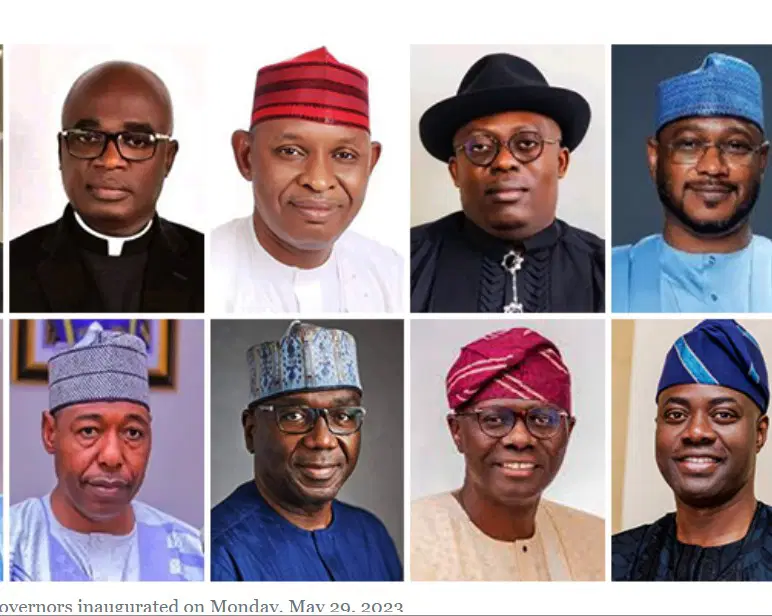
As Nigeria moves closer to the 2027 general elections, the battle for control of state government houses is already intensifying across the country. With governorship elections scheduled in 28 states, first-term governors are preparing for difficult re-election contests while outgoing governors are struggling to install preferred successors. Political defections, collapsed alliances, internal party crises, zoning considerations, and the influence of political godfathers have combined to create what many analysts describe as one of the most consequential electoral cycles in Nigeria's democratic history.
Among the first-term governors seeking re-election, only Rivers State Governor Siminalayi Fubara will not be on the ballot after failing to secure his party’s ticket. Elsewhere, incumbents are relying on the power of office and party structures to maintain their grip on power, while opposition parties are working to capitalize on emerging cracks within ruling camps.
In the North, the political atmosphere is charged as former allies have become bitter rivals and political godfathers have openly chosen sides. Kaduna State is expected to witness one of the fiercest contests, with Governor Uba Sani facing challenges from PDP candidate Shehu Usman Bawa and ADC candidate Isa Ashiru. Ashiru’s alliance with former Governor Nasir El-Rufai has added a new dimension to the race, particularly given the deteriorating relationship between El-Rufai and Sani, who were once close political allies.
In Kano, Governor Abba Yusuf faces perhaps the biggest test of his political career. His defection from the NNPP to the APC and his estrangement from former governor and political mentor Rabiu Musa Kwankwaso have altered the political landscape. Former Deputy Governor Gwarzo is expected to benefit from the influential Kwankwasiyya movement under the NDC platform, while the PDP and ADC have also fielded candidates.
Benue State promises a competitive contest as Governor Hyacinth Alia seeks a second term against former Attorney General of the Federation, Chief Michael Aondoakaa, who enjoys the backing of former Governor Samuel Ortom. In Taraba, Governor Agbu Kefas faces Senator Emmanuel Bwacha, although ongoing factional disputes within the PDP may weaken the opposition. Adamawa presents an open race following Governor Ahmadu Fintiri’s departure, with observers closely watching the influence of former Vice President Atiku Abubakar, whose political endorsement could prove decisive.
Borno and Yobe remain firm APC strongholds. In both states, outgoing governors have successfully positioned their preferred successors as party candidates, with little indication that opposition parties pose a significant threat.
Elsewhere in the North, Governor Caleb Mutfwang of Plateau State enters the race as a strong favorite after defecting to the APC, while Zamfara Governor Dauda Lawal is also widely expected to retain his seat. Bauchi, however, remains one of the most unpredictable states following Governor Bala Mohammed’s dramatic move from the PDP to the APC, a development that has reshaped political calculations across the state.
Across Niger, Sokoto, Kebbi, Kwara, Katsina, Jigawa, and Nasarawa, incumbency remains a major advantage, although opposition parties continue to search for opportunities to upset established political structures.
In the South, political maneuvering is equally intense. In Lagos, Deputy Governor Obafemi Hamzat secured the APC ticket in a landslide primary victory, positioning himself as the favorite to succeed Governor Babajide Sanwo-Olu. However, opposition figures such as Gbadebo Rhodes-Vivour of the ADC are hoping to build on the momentum generated by youth-driven political movements in previous elections.
In Oyo State, Governor Seyi Makinde’s influence remains significant despite being term-limited. The PDP is backing Bimbo Adekanmbi as its preferred successor, while the APC remains divided between leading contenders Senator Sharafadeen Alli and former Deputy Governor of the Central Bank of Nigeria, Adebayo Adelabu.
Abia appears to offer the smoothest path to re-election for an incumbent governor. Governor Alex Otti enjoys widespread public approval due to his administration’s infrastructure projects and governance reforms. Although the APC has fielded businessman Eric Opiah, internal divisions within the party have weakened its challenge, leading many observers to conclude that Otti’s greatest challenge may be meeting public expectations rather than defeating political opponents.
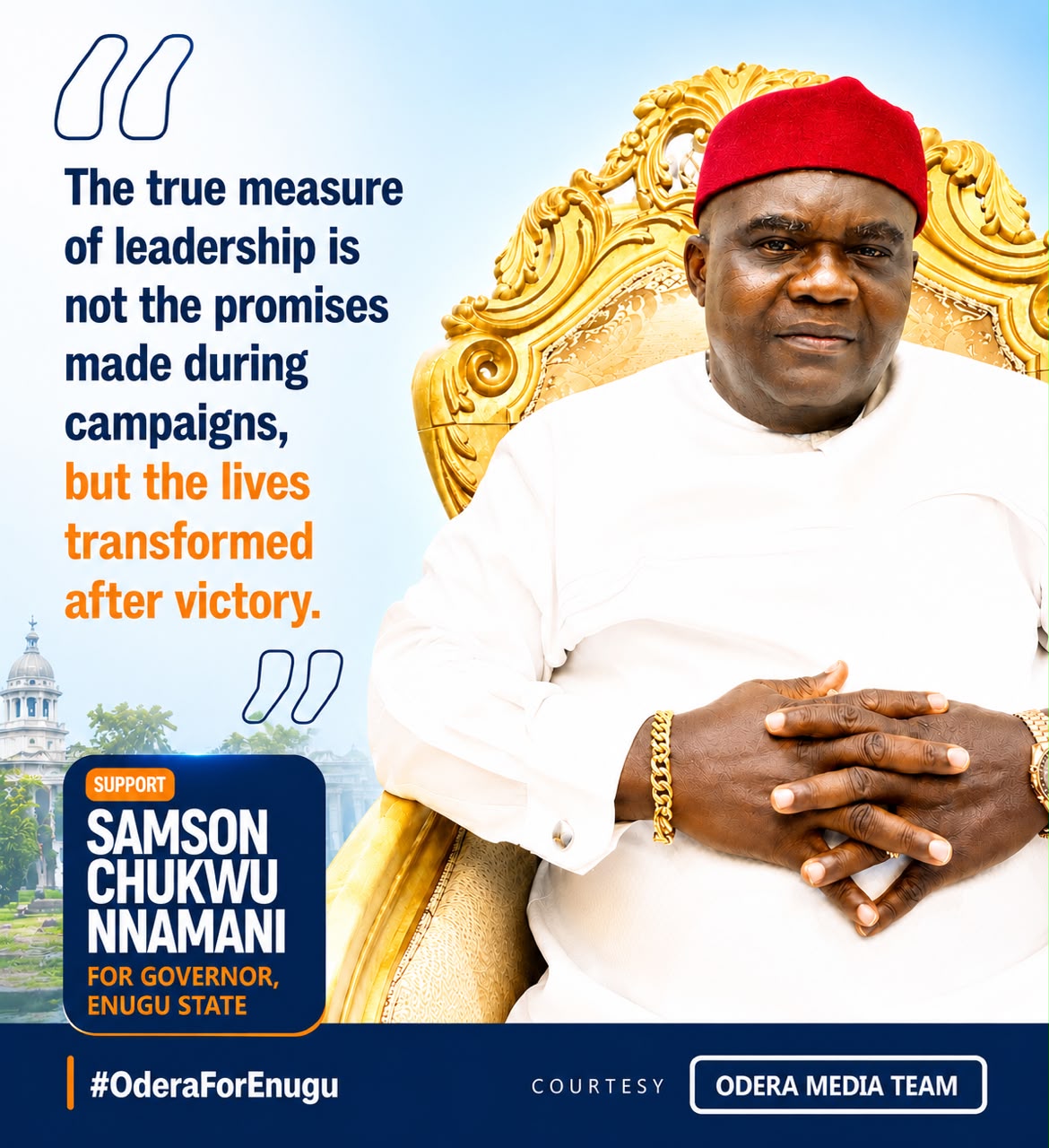
In Enugu State, Governor Peter Mbah secured his party’s ticket unopposed, strengthening perceptions that he remains firmly in control of the political landscape. The major drama is unfolding within the opposition PDP, where multiple factions have produced rival candidates, including Chief Samson Nnamani and Hon. Dona Nwogbo.
The ADC has nominated Chief Obodoeze Ocho, while the NDC is backing former Senator Gil Nnaji. However, analysts believe the opposition’s internal divisions have significantly improved Mbah’s prospects for re-election.
Overall, the political landscape ahead of 2027 is marked by uncertainty, shifting loyalties, and intense competition. While the APC appears poised to retain control of many states, several key battlegrounds, including Kaduna, Kano, Adamawa, Bauchi, Taraba, Lagos, and Oyo remain too close to call. As political alliances continue to evolve and campaigns gather momentum, the race for Nigeria’s governorship seats is shaping up to be one of the most fiercely contested in the nation’s recent history.
Leave a Reply
Your email address will not be published. Required fields are marked *
Category
 Religion
  Opinion
 Culture & Tourism
 Sports
  Business & Economy
 Health
 Technology
 Education
  Crime & Security
.jpeg) Interviews
Interviews News
News Politics
 Entertainment