Home > Business & Economy > Marketers, Dangote Refinery Disagree Ove...
Marketers, Dangote Refinery Disagree Over Petrol Price Amid Middle East Crisis
By AnchorNews | 06 Mar, 2026 06:21:52am | 84
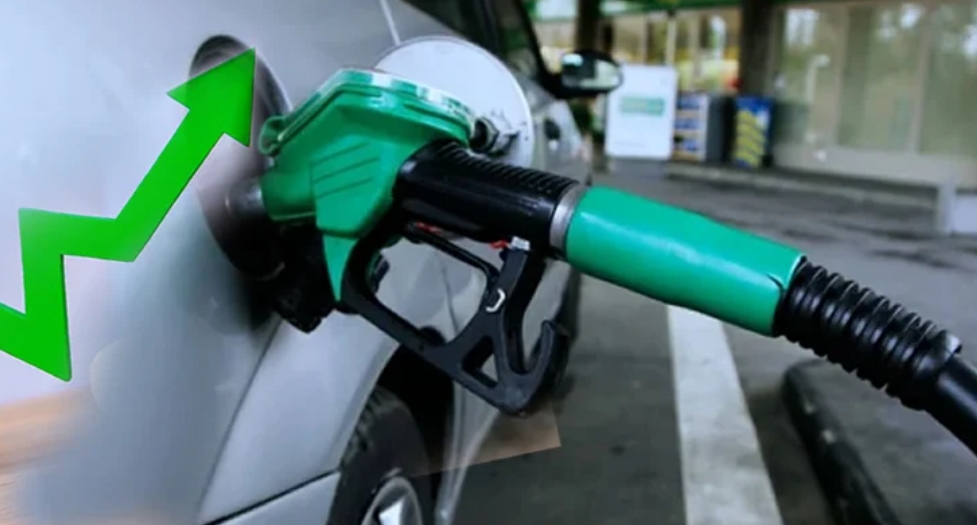
A fresh dispute has erupted between petroleum marketers and the Dangote Petroleum Refinery over the price of Premium Motor Spirit (petrol), as tensions in the Middle East continue to disrupt the global oil market.
Data released by the Major Energies Marketers Association of Nigeria (MEMAN) indicated that the landing cost of imported petrol currently stands at about ₦809.37 per litre, which is approximately ₦64 cheaper than the ₦874 per litre gantry price charged by the Dangote refinery.
However, officials of the refinery have dismissed the figures, accusing importers of spreading misleading information to justify continued petrol importation into Nigeria.
The disagreement comes in the wake of the refinery’s recent decision to increase its ex-depot price from ₦774 to ₦874 per litre, following a rise in global crude oil prices to about $84 per barrel, up from below $70 shortly before the outbreak of hostilities involving the United States, Iran and Israel.
Following the adjustment, several filling stations across Nigeria raised pump prices on Tuesday to as high as ₦937 per litre, depending on location. Prior to the escalation of the Middle East conflict, petrol had been selling between ₦812 and ₦839 per litre at many stations.
According to MEMAN, the downstream sector witnessed a major price shift after the refinery increased its gantry price by ₦100, pushing retail fuel prices above ₦900 per litre. The association also noted that Dangote’s diesel price was ₦1,169.42 per litre, compared to ₦1,125.70 for imported diesel.
Industry watchers say the market remains volatile as geopolitical tensions continue to push crude oil prices upward. Analysts warned that if Brent crude climbs toward $90 per barrel, pump prices in Nigeria could rise to ₦1,100 per litre within the next month.
Despite the marketers’ claims, officials of the Dangote refinery insisted that the pricing debate ignores the realities of global oil market disruptions.
One refinery official challenged importers to attempt bringing petroleum products into the country amid the ongoing airstrikes in the Middle East.
“Anybody who likes should go to Iran and import. Some people want Nigeria to continue depending on imports even when we can produce locally,” the official said.
Another refinery official argued that Nigeria would have faced a severe fuel crisis without domestic refining capacity, stressing that the Dangote facility had helped shield the country from supply disruptions currently affecting other nations.
“Imagine what would have happened if Nigeria had no refinery at this time. Many countries are already facing long queues at filling stations,” the official added.
Reports from the United Kingdom show motorists rushing to petrol stations amid fears of shortages triggered by the Middle East conflict, with some outlets already running out of fuel.
In contrast, although petrol prices increased in Nigeria earlier this week, no widespread queues have been reported at filling stations. Analysts attribute the relative stability to growing domestic supply from the Dangote refinery.
Data from the Nigerian Midstream and Downstream Petroleum Regulatory Authority (NMDPRA) shows that the refinery supplied about 62 per cent of Nigeria’s petrol demand in January 2026, marking the first time domestic refining output surpassed imports in more than a year.
The authority said Nigeria recorded an average daily petrol supply of 64.9 million litres in January. Of this figure, 40.1 million litres came from domestic refineries—primarily the Dangote facility—while 24.8 million litres were imported by oil marketers and the Nigerian National Petroleum Company Limited (NNPC).
The refinery, however, has raised concerns over insufficient crude oil supply from local producers, saying it has been forced to rely partly on imported crude.
In a statement, the company said it currently receives only five crude cargoes per month from NNPC instead of the 13 cargoes required to operate at optimal capacity.
The refinery explained that it purchases crude at international market prices and sometimes at a premium above the Brent benchmark. When freight costs are added, the crude landing cost rises to between $88 and $91 per barrel.
It said the rising cost of crude and logistics forced the company to increase petrol prices by about 12 per cent, though it claimed to have absorbed roughly 20 per cent of the cost escalation to cushion the impact on Nigerian consumers.
Energy experts have meanwhile called on the Federal Government to address Nigeria’s low crude production levels to stabilise the downstream sector.
Energy economist Prof. Wumi Iledare noted that Nigeria earned about ₦55 trillion from crude oil in 2025, but failed to meet its production target.
According to him, the country planned to produce 766.5 million barrels in 2025 but managed only 599.6 million barrels, leaving about 167 million barrels unrealised.
Iledare urged the government to improve security around oil assets, speed up regulatory approvals and encourage investment in the oil sector to boost production.
Another economist, Prof. Segun Ajibola, said crude output remains influenced by factors beyond government control, including global market dynamics, technical cooperation with industry partners and environmental conditions.
As global tensions continue to influence oil markets, industry analysts warn that Nigeria’s fuel pricing debate may intensify in the coming weeks, particularly if crude prices climb further and domestic supply challenges persist.

Leave a Reply
Your email address will not be published. Required fields are marked *
Category
.jpeg) Interviews
Interviews Politics
 Opinion
 Religion
  News
News Health
 Entertainment
 Education
  Technology
 Culture & Tourism
 Crime & Security
 Business & Economy
 Sports