Home > Business & Economy > Fresh Petrol Price Hike Looms as Global ...
Fresh Petrol Price Hike Looms as Global Crude Oil Prices Climb Above $70
By Admin | 30 Jan, 2026 06:52:26am | 168
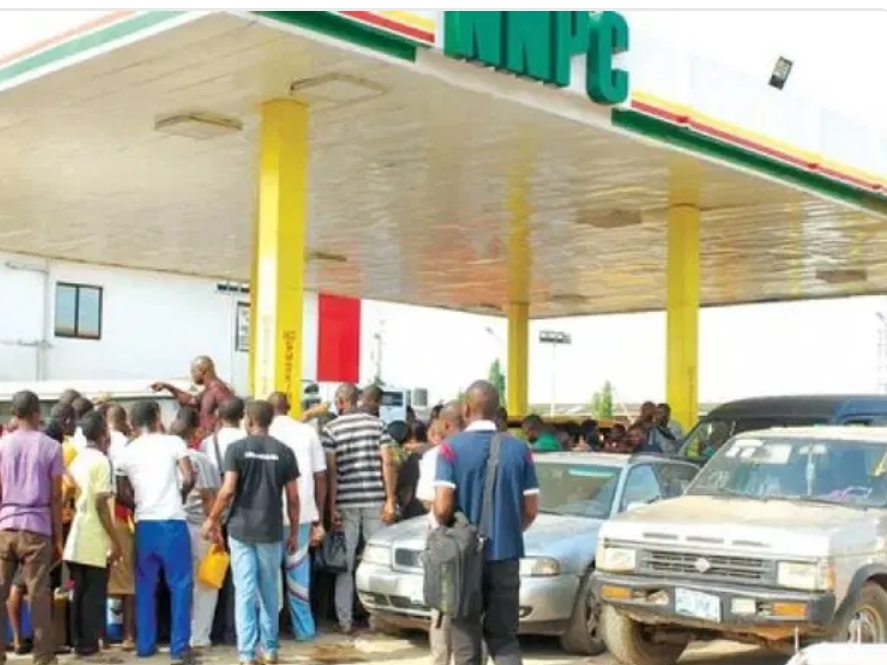
By AnchorNews
Nigerians may be heading for another round of petrol price increases as rising global crude oil prices continue to push up the cost of refined petroleum products across the country.
This development comes barely days after fuel stations adjusted pump prices upward, with petrol now selling for an average of ₦850 per litre, compared to about ₦750 per litre earlier in the week. The latest adjustments have been attributed to sustained increases in international crude oil prices.
Market data show that Nigeria’s Bonny Light crude rose to $70.30 per barrel, up from $64 last week, marking the highest level recorded so far this year. Similarly, Brent crude, the global benchmark, climbed to $70.15 per barrel, while Murban crude increased to $68.01 per barrel.
The rise in crude oil prices has filtered into the domestic market, forcing refiners and oil marketers to review their prices. At the Dangote Refinery, the gantry price of petrol reportedly increased from ₦699 per litre to ₦799, representing about a 14.3 per cent rise. Following this adjustment, retail outlets in Abuja, Lagos and other parts of the country also raised their pump prices.
NNPC Retail outlets adjusted their prices to about ₦835 per litre, up from ₦815, while independent marketers implemented steeper increases. Some filling stations now sell petrol for as high as ₦900 per litre, reflecting the growing pressure from rising supply costs.
Commenting on the situation, the National Public Relations Officer of the Independent Marketers Association of Nigeria (IPMAN), Chief Chinedu Ukadike, said the increase was driven by higher crude oil prices and rising costs from refiners. He explained that once the cost of sourcing fuel rises, marketers have no option but to adjust pump prices accordingly.
Ukadike dismissed claims that marketers were exploiting consumers despite holding older stock, noting that replacement costs have risen significantly. According to him, even when existing stock is sold, marketers must purchase new supplies at higher prices, making price adjustments inevitable in order to remain in business.
Findings by AnchorNews also indicate a mixed reaction in the market, as petrol prices remained largely unchanged in some areas on Thursday, while diesel prices recorded further increases at major depots. Diesel reportedly sold for ₦930 per litre at Emadeb, up from ₦910, while Ibeto and Integrated depots adjusted prices to ₦950 per litre.
Analysts attributed the surge in crude oil prices to a sharp decline in United States crude oil inventories, which fell by 2.3 million barrels in the week ended January 24, according to data from the U.S. Energy Information Administration. The decline reduced U.S. commercial crude stockpiles to about 423.8 million barrels, roughly three per cent below the five-year average.
The market has also been unsettled by escalating geopolitical tensions, particularly concerns that a possible U.S. military action against Iran, a major oil producer, could disrupt global supply. Recent comments by U.S. President Donald Trump, threatening military action, have heightened fears of supply shocks in the global oil market.
Industry experts warn that the situation could worsen economic pressure on Nigerian households and businesses. Prof. Wumi Iledare, a petroleum economist, said rising crude oil prices would likely lead to higher prices for petrol and diesel, given Nigeria’s continued dependence on imported petroleum products. He noted that the resulting increase in transport and production costs would place additional strain on household budgets.
Similarly, Dr. Muda Yusuf, Chief Executive Officer of the Centre for the Promotion of Private Enterprise (CPPE), described the development as a double-edged sword for the economy. While higher crude oil prices could boost government revenue and foreign exchange earnings, he warned that deregulation means consumers would bear the burden through higher energy costs, rising inflation, and increased production expenses, particularly for small and medium-scale enterprises.
Other analysts also cautioned that higher fuel prices would have widespread effects on the economy, driving up transportation costs, construction expenses, food prices, and the overall cost of living. With fuel prices now largely market-driven, Nigerians may continue to experience price adjustments if global crude oil prices remain elevated.

Leave a Reply
Your email address will not be published. Required fields are marked *
Category
 Entertainment
 Sports
  Religion
  Politics
 Education
 .jpeg) Interviews
Interviews Business & Economy
 Opinion
 News
News Culture & Tourism
 Health
 Technology
 Crime & Security