Home > Religion > A Sermon That Silenced the Courts...
A Sermon That Silenced the Courts
By AnchorNews | 02 Jan, 2026 04:28:34am | 159
By Sochima Agbo
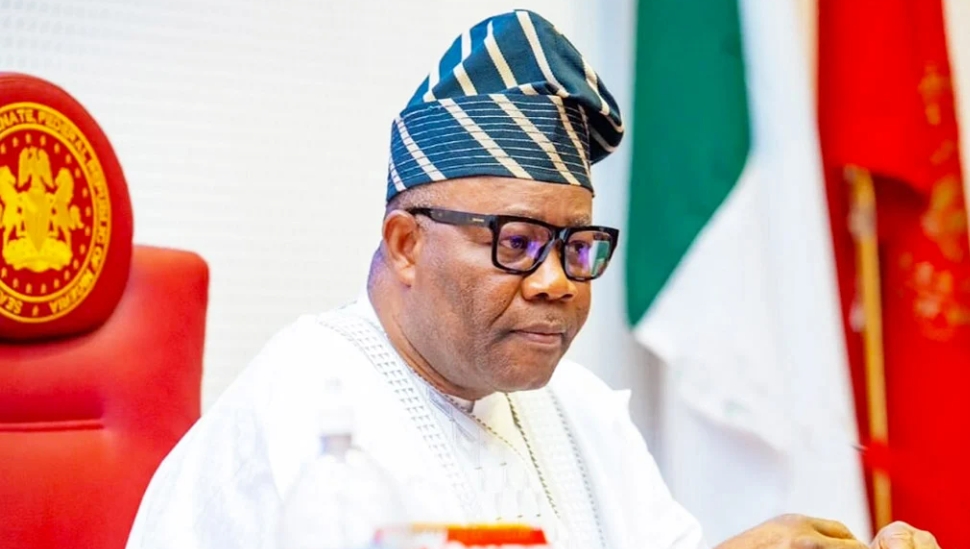
The new year had barely found its footing when the bells of Sacred Heart Parish in Uyo rang with a softer insistence than usual, as though calling not just the faithful to Mass, but calling hearts to listen. Sunlight filtered through stained glass and rested on wooden pews worn smooth by years of prayers. Among the congregation sat a man accustomed to louder chambers - Senate chambers, courtrooms, press briefings. Senate President Godswill Akpabio had come to church like many others: seeking grace for a new beginning.
The priest’s homily that morning was not theatrical. It did not thunder. It spoke quietly about forgiveness; how grudges, once carried, grow heavier with time; how words can wound, but mercy can heal; how the new year is wasted if it only repeats the anger of the old. The message moved through the church like a steady breeze, unnoticed by some, unsettling to others.
For Akpabio, it landed squarely.
In the months past, his name had been tied to court dockets and legal briefs. Defamation suits, nearly nine of them had followed statements he considered false, damaging, and cruel. The cases had names, numbers, and reputations attached to them. They had histories too: accusations traded between lawmakers, suspensions challenged, counter-suits filed. The public watched as the disputes spilled beyond politics into personal terrain, where families felt the sting and headlines hardened positions.
As the priest spoke, Akpabio felt the weight of it all press in. He would later say it felt as though the sermon had been delivered for him alone. In that stillness, a decision formed - unexpected, unguarded.
When the Mass ended, he did not retreat to aides or issue a carefully worded statement. He spoke plainly, the way decisions often sound when they have already been made.
“I had almost nine cases in court,” he said, acknowledging the hurt and the anger that had fueled them. Then he surprised the room and the nation. He directed his lawyers to withdraw every defamation suit. All of them.
The announcement traveled quickly, leaping from parish walls to newsrooms across Nigeria. It reframed a long-running public dispute into something else entirely: a moment of pause. A signal of closure. For some, it was magnanimity. For others, a strategic reset. For many, it was simply unexpected.
The cases he withdrew were not small. They included high-profile litigation tied to allegations of misconduct he had denied and challenged in court, disputes that had pulled colleagues into opposing corners and drawn his family into the glare. Ending them did not rewrite the past. But it did redraw the map ahead.
By midday on January 1, 2026, the story had become the most widely read. Commentators debated the meaning. Lawyers parsed the implications. Supporters praised the restraint. Critics questioned the timing. Yet beneath the noise was a quieter truth: a public figure had chosen, at least for this chapter, to lay down the tools of litigation.
The year had begun not with a gavel strike, but with a sermon.
In a country weary of endless quarrels and courtroom dramas, the gesture resonated beyond the individual. It suggested that power could pause, that pride could yield, that true endings were possible. Not because accusations disappear or wounds vanish, but because someone decides to stop feeding them.
As evening fell over Uyo, the church emptied and the city returned to its rhythms. Somewhere, files were being closed. Letters drafted. Cases withdrawn. And in the quiet after the news cycle peaked, the message of that morning lingered: sometimes, the bravest act is not to win, but to forgive and let the year begin unburdened.
Leave a Reply
Your email address will not be published. Required fields are marked *
Category
 Sports
  Health
 Culture & Tourism
 Entertainment
 News
News Religion
  Politics
 Crime & Security
.jpeg) Interviews
Interviews Opinion
 Technology
 Education
  Business & Economy