Home > News > Five More States Back State Police as FG...
Five More States Back State Police as FG Panel Submits Draft Bill
By AnchorNews | 21 Oct, 2026 06:38:33am | 51
By AnchorNews Reporter
ABUJA - The establishment of state police in Nigeria has gained further momentum as the state assemblies of Ogun, Delta, Plateau, Kwara and Adamawa endorsed the proposed constitutional amendment, while the Presidential Working Group on the National Policing Bill submitted its draft legislation to the Federal Ministry of Justice for review.
The development brings the number of state assemblies reported to have approved the proposed amendment to 10, following earlier endorsements by Edo, Osun, Oyo, Rivers and Zamfara states.
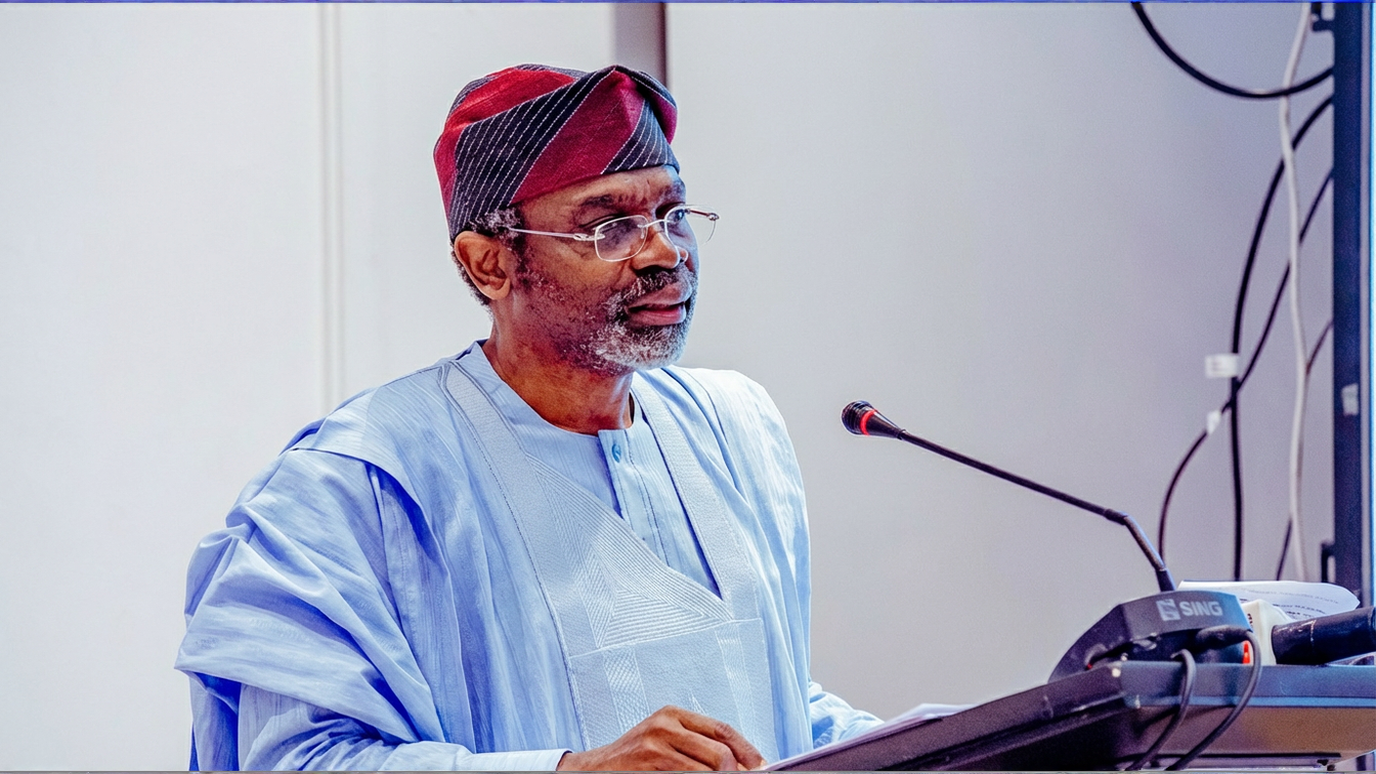
The Presidential Working Group, chaired by the Chief of Staff to the President, Femi Gbajabiamila, said it submitted the draft National Policing Bill, 2026, alongside 29 consequential amendment bills, to the Attorney-General of the Federation and Minister of Justice on October 19.
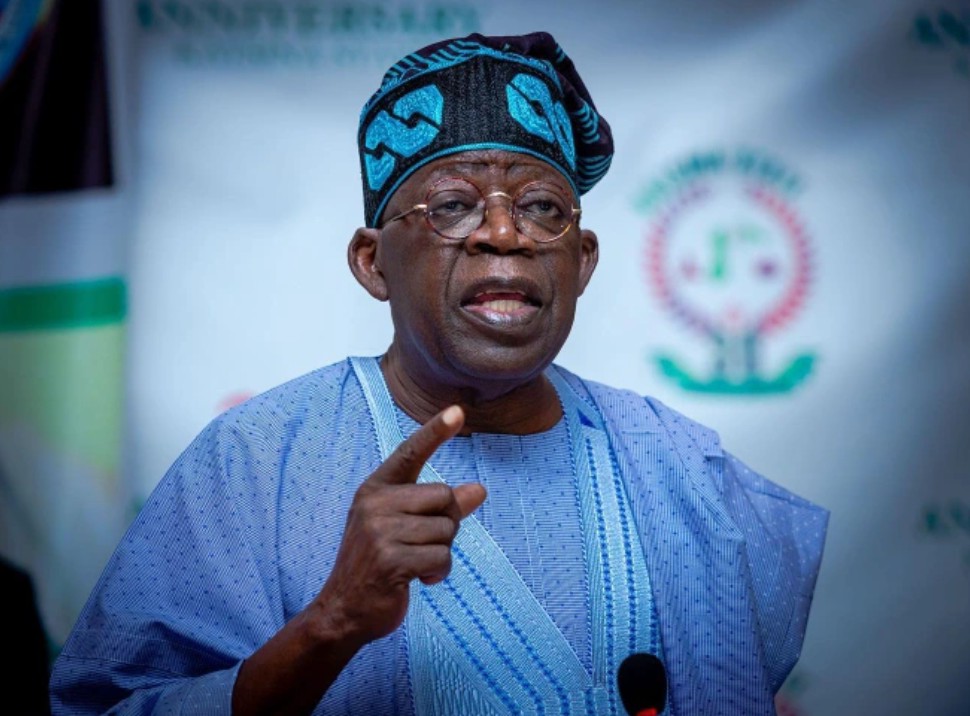
According to the group, the ministry is expected to complete its review and return the validated draft bills on or before October 30. The working group will then give the documents final consideration before presenting them to President Bola Tinubu.
The proposed legislation seeks to establish a dual policing structure comprising a Federal Police Service and State Police Services, replacing the current constitutional arrangement under which the Nigeria Police Force operates as a single national institution.
The constitutional amendment, transmitted to the 36 state assemblies on September 16, is part of the Federal Government’s efforts to address Nigeria’s persistent security challenges through a decentralised policing system.
Under the constitutional amendment procedure, at least 24 of the 36 state assemblies must approve the proposed changes before they can proceed to the President for assent.
In Ogun State, the House of Assembly unanimously adopted a resolution supporting the establishment of state police after considering the report of its Ad-hoc Committee on Constitutional Review.
Speaker Daisi Elemide described the decision as historic, saying state policing could strengthen security, protect lives and property, and promote economic development. He directed that a clean copy of the resolution be transmitted to the National Assembly.
Similarly, all 23 members of the Delta State House of Assembly present at Tuesday’s plenary voted in favour of the constitutional amendment.
The Speaker, Emomotimi Guwor, said the proposed reform would improve intelligence gathering, strengthen grassroots security and create a safer environment for investment and development.
In Adamawa, however, lawmakers approved 24 of the 26 clauses presented for consideration, rejecting two provisions they said were not sufficiently clear.
The Chairman of the House Committee on Information, Musa Kallam, maintained that state police could help combat criminal activities, adding that the proposal contained provisions defining the limits of governors’ powers over state police.
The Kwara State House of Assembly also endorsed the amendment after a debate in which lawmakers argued that bringing policing closer to communities would improve security and the protection of lives and property.
In Plateau State, lawmakers adopted the recommendations of their Ad-hoc Committee on Constitutional Review, describing the proposed amendment as necessary in view of rising security challenges, manpower shortages in the existing police force and the need for stronger local policing arrangements.
Meanwhile, the Kebbi State House of Assembly has received the proposed amendment and referred it to its House Committee on Internal Security for further deliberation.
Although the Senate and House of Representatives have passed the proposed amendment, the National Assembly is awaiting the responses of the state assemblies before proceeding with the next stage of the constitutional alteration process.
Senator Yemi Adaramodu, Chairman of the Senate Committee on Media and Public Affairs, said the Senate would not comment on the executive’s proposed timeline until it formally received the relevant correspondence.
He, however, expressed confidence that the process could be concluded before the end of the year.
President Tinubu inaugurated the seven-member Presidential Working Group on July 7, directing it to produce a technically sound and implementation-ready National Policing Bill.
While supporters of state police believe the arrangement would improve local intelligence gathering and enable faster responses to security threats, concerns remain over possible political interference, abuse of power and the need for effective accountability mechanisms.
The proposed reform is expected to remain a major issue in Nigeria’s security debate as the Federal Government and state legislatures work towards establishing the legal and constitutional framework for decentralised policing.

Leave a Reply
Your email address will not be published. Required fields are marked *
Category
 Opinion
 Culture & Tourism
 Politics
 Technology
 Religion
 Business & Economy
 Health
 Education
 Entertainment
.jpeg) Interviews
 News
 Crime & Security
 Sports