Home > News > Oil Prices Climb as Iran-US Peace Talks ...
Oil Prices Climb as Iran-US Peace Talks Stall
By AnchorNews | 29 Apr, 2026 11:51:22am | 121
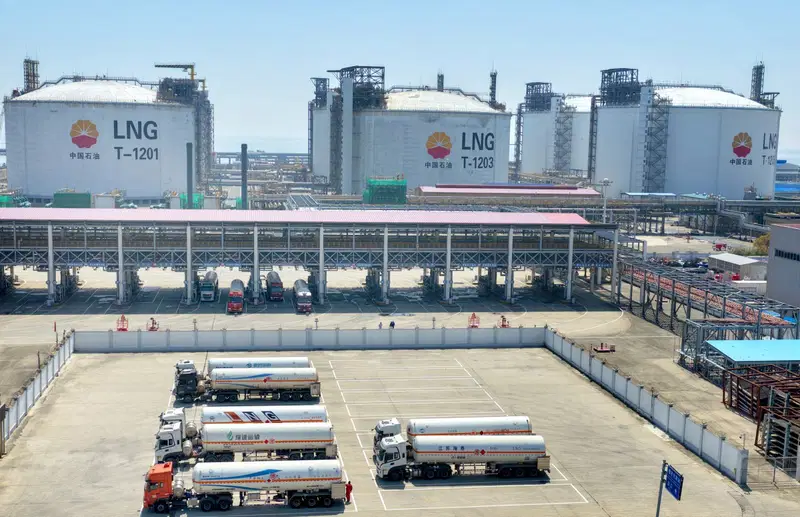
Global oil prices continued their upward trend on Wednesday as diplomatic efforts to resolve tensions between Iran and the United States showed little progress, raising concerns about prolonged supply disruptions.
Crude markets have been under pressure for over a week amid uncertainty surrounding negotiations and the continued closure of the strategically vital Strait of Hormuz, which is a key artery for global oil shipments.
Prices surged further after reports indicated that U.S. President Donald Trump remained unconvinced by Tehran’s latest proposal to ease tensions. The plan reportedly includes reopening the strait in exchange for Washington lifting its blockade on Iranian ports, alongside ongoing discussions about Iran’s nuclear programme.
U.S. Secretary of State Marco Rubio described the proposal as an improvement but stressed that any agreement must firmly prevent Iran from advancing toward nuclear weapons capability. In response, Iranian authorities insisted that the U.S. must abandon what they termed “unreasonable demands,” signaling continued friction between both sides.
Energy analysts warn that the prolonged standoff could trigger broader disruptions in global supply chains. According to market observers, delays in reaching a resolution are already increasing storage pressures and raising production risks—factors now reflected in rising futures prices.
Benchmark crude prices have responded sharply. Brent crude oil climbed above $113 per barrel, while West Texas Intermediate surpassed $101, marking its highest level in two weeks.
Meanwhile, diplomatic sources suggest that negotiations are still ongoing behind the scenes, with discussions reportedly focused on a phased approach, beginning with restoring pre-conflict conditions and reopening the Strait of Hormuz, before addressing more complex issues like Iran’s nuclear programme.
Despite geopolitical tensions, global equities showed mixed resilience. Asian markets recorded gains across major indices, while European markets declined. Investors are also closely watching developments from the Federal Reserve, which is expected to provide guidance on inflation and interest rates amid rising energy costs.
The situation remains fluid, with oil markets likely to stay volatile as diplomatic efforts continue and traders react to every signal from Washington and Tehran.

Leave a Reply
Your email address will not be published. Required fields are marked *
Category
 Business & Economy
 Sports
  Opinion
 Health
 News
News Entertainment
 Education
 .jpeg) Interviews
Interviews Crime & Security
 Religion
  Politics
 Technology
 Culture & Tourism